Diamondbacks open spring 0-2 as Brewers, White Sox sit at .500 in early Cactus League play

Early records provide limited signal as clubs evaluate rosters and workloads
The Arizona Diamondbacks entered early March with a 0-2 spring training record, while the Milwaukee Brewers and Chicago White Sox were both at 6-6 in Cactus League action. With regular-season opening day still weeks away, the standings offer only a snapshot of games heavily shaped by experimentation, split-squad lineups and tightly managed pitcher usage.
Spring training results typically reflect shorter outings for starting pitchers and frequent late-game substitutions designed to evaluate depth options. MLB clubs use the exhibition schedule to build arm strength, test defensive alignments and create at-bats for players competing for roster spots, often producing outcomes that do not mirror regular-season strategies.
Milwaukee: a .500 spring record amid rotation build-up and lineup reps
Milwaukee’s 6-6 mark through a dozen games placed the Brewers in the middle of the Cactus League table. The club’s early slate has included periods of uneven results as pitchers progress through planned innings and position players ramp up their workloads. Teams commonly prioritize health and progression benchmarks in the first half of camp, with velocity, command and recovery taking precedence over game-to-game urgency.
Chicago: White Sox also 6-6, balancing auditions and established roles
The White Sox matched Milwaukee at 6-6, a record that similarly reflects a mix of established major leaguers and players receiving extended opportunities. Spring training is often when organizations assess reserve infield and outfield defense, bullpen role candidates and bench profiles such as platoon hitters and utility players.
Arizona: Diamondbacks 0-2, but schedules and rosters vary widely by day
Arizona’s 0-2 start stood out largely because it came over a small sample in which the timing of opponents and the Diamondbacks’ own roster usage can vary from game to game. Clubs frequently stagger the debuts of key regulars, and managers may use early contests to prioritize specific pitcher matchups or get younger players into high-leverage situations regardless of score.
- Spring records can be skewed by late-inning lineups composed largely of minor leaguers.
- Pitchers often face strict pitch limits, influencing run prevention more than in-season usage patterns.
- Teams may accept short-term results in exchange for long-term preparation goals.
In spring training, the primary measure of progress is player readiness and health rather than standings position.
For Milwaukee-area fans tracking the Brewers’ early rhythm, the more meaningful indicators in the coming weeks will include how the pitching staff’s innings and strike-throwing develop, which lineup combinations stabilize, and whether position battles narrow as camps move closer to roster deadlines.
Glendale man charged with first-degree intentional homicide in fatal Milwaukee Deer District shooting case
Cambodian sandwich shop added at Milwaukee’s 3rd St. Market Hall as downtown food hall evolves
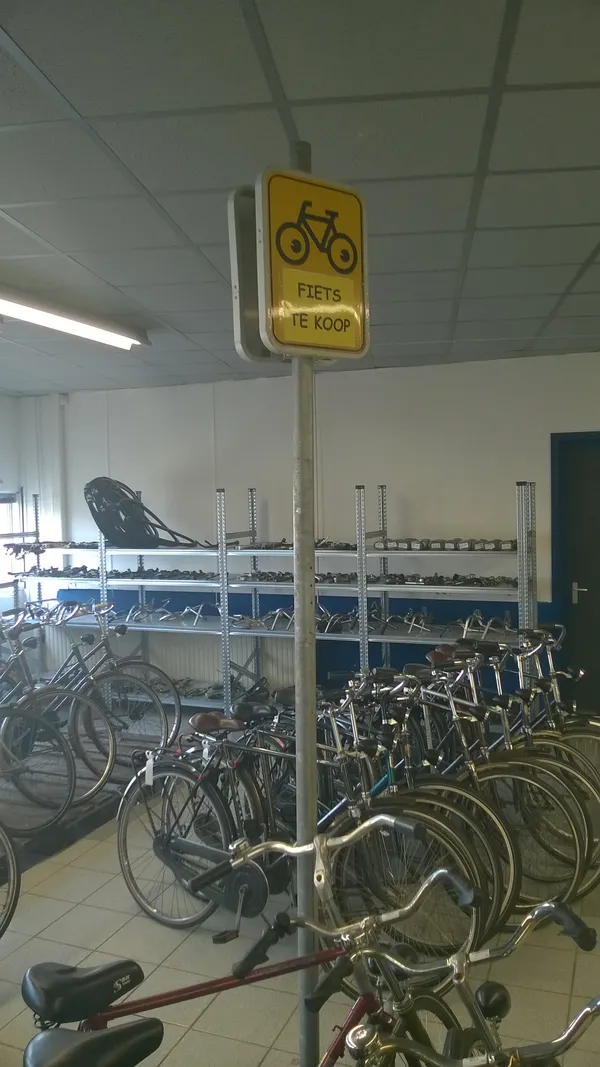
Milwaukee Recreation’s Bike Bazaar returns March 14 at Riverside, with bike sales and fundraising