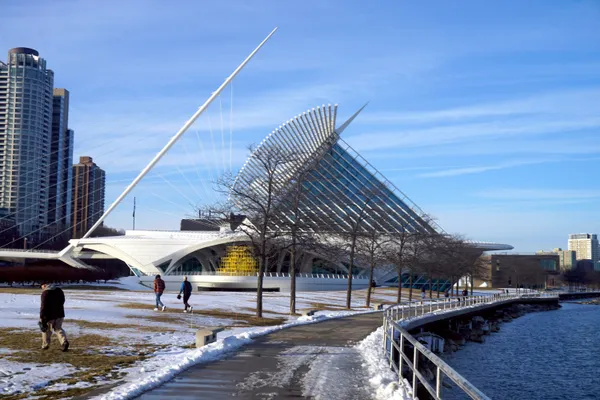
Milwaukee’s Iranian community weighs relief and fear after U.S.-Israeli strikes hit Iran’s nuclear sites
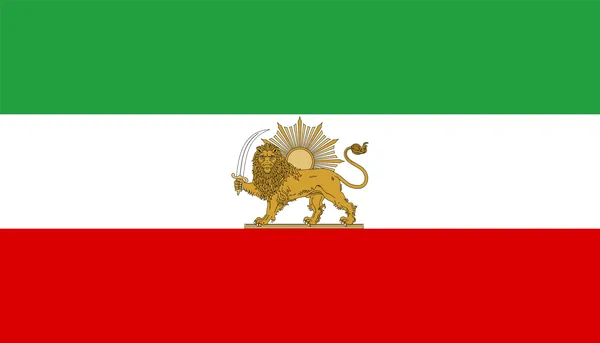
Mixed reactions in Milwaukee as events unfold abroad
Iranian residents and students in Milwaukee described a wide range of emotions after U.S. forces joined Israel in striking Iranian nuclear facilities, a development that escalated a conflict already marked by days of attacks and counterattacks in the region. Several Milwaukee-area Iranians said their responses were shaped by long-running opposition to Iran’s ruling system, as well as immediate concern for relatives and friends still inside the country.
At the University of Wisconsin–Milwaukee, three Iranian doctoral students followed live updates and videos as news of the strikes spread. They described simultaneous feelings of relief, sadness and uncertainty, reflecting both hope for political change and fear of further bloodshed.
Targets and immediate nuclear-safety assessments
The U.S. strikes hit three of Iran’s best-known nuclear sites: Fordo, Natanz and Isfahan. In public statements following the attacks, international nuclear monitoring officials reported no indication of off-site radiation increases in the immediate aftermath, while noting that inspections are required to fully assess damage, particularly at underground facilities.
Independent analyses published in recent months have also emphasized that, while any military strike on nuclear infrastructure raises risks, the most acute dangers are often localized—especially potential chemical hazards and contamination at or near impacted buildings—rather than broad, region-wide radioactive exposure.
Hope for change, anxiety over escalation
In Milwaukee, some Iranian expatriates framed the strikes as a possible turning point after years of protests and crackdowns in Iran. One doctoral student said she reacted with “happy tears,” while also shaking, describing the moment as emotionally overwhelming. Another student said she had been able to reach family members in Iran soon after the strikes and was told they were safe, though daily life had been disrupted, including closures of schools and offices.
Others underscored a persistent fear: that military escalation could claim more civilian lives and deepen instability. A Milwaukee resident who left Iran as a teenager said he felt torn—hopeful about the prospect of change, but distressed by reports of deaths and the uncertainty of what might follow.
- Some Milwaukee Iranians described relief tied to the possibility of political transformation in Iran.
- Many also expressed worry about retaliation, wider conflict, and the safety of loved ones.
- Questions about post-crisis governance and stability remain central to local discussions.
Several Milwaukee Iranians described their emotions as a mix of relief and apprehension, with hope tempered by fear of further violence.
What comes next
As the international situation continues to evolve, Milwaukee’s Iranian community is grappling with immediate personal concerns—checking on relatives, monitoring disruptions inside Iran, and assessing the risks of further escalation—while also weighing longer-term implications for the country’s political future. Across conversations, one theme remained consistent: uncertainty over how quickly events could shift, and at what human cost.
Milwaukee officials outline changes to Brady list process, raising questions about notice and oversight
Milwaukee’s March Snow, a Stand Against Rate Hikes, and the Road to Recovery: Your Thursday Briefing