Milwaukee will demolish fire-damaged U-Haul storage building after asbestos traces found in window glazing
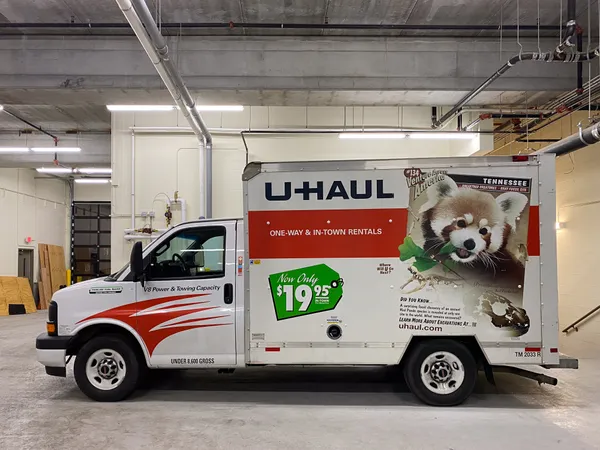
Demolition planned for heavily damaged Harbor District property
A fire-damaged U-Haul storage building at 1500 S. 1st St. in Milwaukee is slated for demolition after city permitting documents identified damage beyond repair and testing found trace amounts of asbestos in the structure’s window glazing. The building is part of the U-Haul Moving & Storage of Walker’s Point site near the city’s Harbor District and Walker’s Point area.
The fire, which began the evening of Jan. 21, 2026, escalated into a five-alarm incident and burned for hours into the following day as crews worked to extinguish the blaze and manage lingering hot spots. No injuries were reported at the time. The cause of the fire has not been publicly determined.
Asbestos finding changes how demolition must proceed
Investigators later identified trace asbestos in window glazing, a finding that typically triggers specialized handling requirements during demolition to prevent fibers from becoming airborne. In Wisconsin, asbestos-related work is regulated through state certification and project notification requirements intended to limit exposure during renovation and demolition activities.
Because asbestos can be present in older building materials and may not be visible, demolition planning commonly includes sampling and abatement steps when suspect materials are identified. The presence of asbestos does not automatically indicate a public exposure event, but it can substantially affect the demolition approach, safety controls, and overall cost.
Raze permit estimates place cost at $200,000
City permitting materials associated with the planned raze action estimate the cost to demolish the approximately 340,000-square-foot structure at about $200,000. That estimate reflects demolition of a large commercial building and the additional requirements tied to asbestos-containing materials.
Demolition of large fire-damaged structures can involve multiple phases, including securing the site, removing hazardous materials, controlling dust and debris, and coordinating truck traffic and disposal. Additional costs can arise if further hazardous materials are discovered during pre-demolition investigation or while work is underway.
Business and tenant impacts remain a key concern
The January fire affected a facility used by both households and businesses for storage. Some renters have reported significant losses tied to inventory and personal property stored inside units. As cleanup and demolition move forward, access to the property, claims processes, and the condition of stored items remain central issues for customers and nearby businesses.
- Location: 1500 S. 1st St., Milwaukee
- Incident: Five-alarm fire on Jan. 21–22, 2026; no injuries reported
- Next step: Demolition planned after damage deemed beyond repair
- Key complication: Trace asbestos identified in window glazing
For demolition projects involving asbestos-containing materials, work practices typically include controlled removal, containment measures, and regulated disposal to reduce the risk of airborne fibers.
City records and state regulatory requirements will shape the timeline for abatement and demolition, with additional details expected as permitting and contractor work plans advance.
Milwaukee officials outline changes to Brady list process, raising questions about notice and oversight
Milwaukee’s March Snow, a Stand Against Rate Hikes, and the Road to Recovery: Your Thursday Briefing