Springlike Warm-Up Expected After Mid-March Wisconsin Blizzard, With Rapid Melt And Flooding Concerns Rising
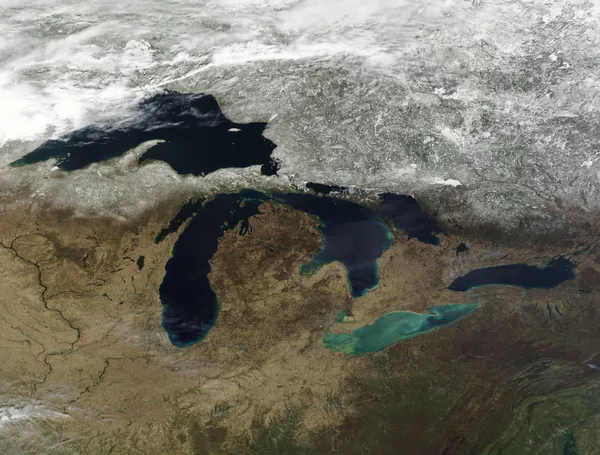
A sharp shift from winter storm impacts to mild temperatures
Southern and central Wisconsin are moving into a markedly warmer pattern after a mid-March storm brought blizzard conditions to parts of the Upper Midwest. Forecasts indicate a transition to above-freezing daytime temperatures in the Milwaukee area within days of the heaviest snow and strongest winds, a swing that can accelerate snowmelt and change the region’s primary weather risks from travel hazards to runoff and localized flooding.
The mid-March system was part of a broader North American storm complex that delivered heavy snow and high winds across portions of the northern Plains and Upper Midwest. The same large-scale pattern also supported severe thunderstorms in other parts of the country, underscoring the wide contrasts in temperature and precipitation occurring at the same time.
Forecast uncertainty during the storm, and why it mattered
In the days leading into the storm, some widely shared app-based projections suggested extremely high snowfall totals for the Milwaukee metro area, including figures around 20 inches for Sunday, March 15. Meteorologists at the National Weather Service office serving southeast Wisconsin publicly disputed those numbers, emphasizing that such totals were not supported by the forecast data used for official warnings and advisories.
The episode highlighted a recurring challenge during high-impact weather: snowfall can change significantly over short distances depending on the storm track, the location of the rain–snow line, and how quickly colder air arrives. Even small changes in temperature near freezing can determine whether precipitation falls as rain, heavy wet snow, sleet, or freezing rain—each with different consequences for roads, power lines, and cleanup operations.
What the warm-up changes: melt, drainage, and river responses
As temperatures climb, the near-term focus shifts to how quickly accumulated snow and ice can melt. Rapid melt can push water into storm drains and low-lying areas, especially where snowbanks, ice, or debris restrict drainage. In urban areas, meltwater can pool and refreeze overnight if temperatures dip below freezing, creating renewed slick spots even after plowing ends.
During daytime warming, melting can create standing water on roads and in parking lots, particularly near clogged storm inlets.
Overnight refreezing can produce black ice on untreated surfaces, bridges, and shaded roads.
Smaller creeks and drainageways can rise quickly if melt is combined with rainfall.
How March fits into Milwaukee’s snowfall picture
March in Milwaukee regularly includes both snow and brief springlike stretches. Climate normals for 1991–2020 show that the city typically receives about 6.7 inches of snow in March. That backdrop helps explain why significant late-season storms can still occur while warmer air arrives soon afterward, sometimes within the same week.
In southeast Wisconsin, March often features rapid alternations between winter hazards and early-spring conditions, making impacts highly sensitive to timing and temperature.
With milder temperatures expected to follow the storm, residents and local agencies typically monitor drainage conditions, watch for refreeze during nighttime lows, and track any additional precipitation that could intensify runoff. The near-term outcome will depend on how fast temperatures rise, whether rain develops during the melt, and how efficiently water can move through local drainage systems.