Seattle Mariners defeat Milwaukee Brewers in March 18, 2026 spring training game at Peoria Sports Complex
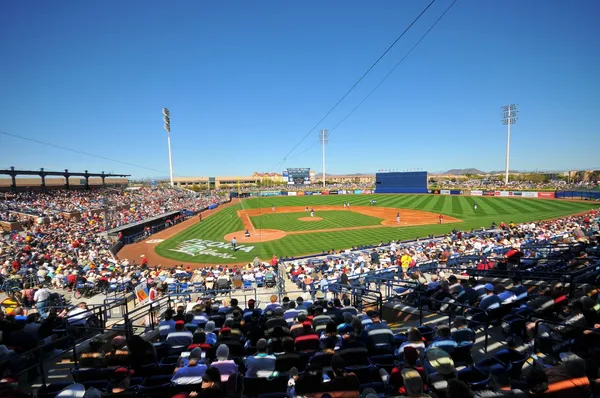
Mariners produce early offense and hold on late in Cactus League matchup
The Seattle Mariners defeated the Milwaukee Brewers on Wednesday, March 18, 2026, in a Cactus League spring training game at Peoria Sports Complex in Peoria, Arizona. The result added to Seattle’s spring schedule that has been shaped in part by Major League Baseball’s international calendar, including the 2026 World Baseball Classic earlier in March.
Spring training results do not count toward the regular-season standings, but the games function as evaluation windows for players competing for roster spots and roles, particularly in the pitching staff. Clubs also use the final weeks of the Cactus League to set likely regular-season alignments, including bullpen usage and defensive configurations.
Key stretch: Mariners create separation with a four-RBI performance
Seattle’s offense was led by Luke Raley, who finished 2-for-2 with four runs batted in. Raley’s production accounted for a significant share of the Mariners’ scoring and proved decisive in a game where both teams cycled through multiple pitchers and substituted freely as is typical in spring contests.
Milwaukee’s lineup included a mix of established major leaguers and players receiving extended looks. Several Brewers recorded multi-hit performances in the box score, but the club was unable to string together enough run-scoring opportunities to match Seattle’s middle-innings output.
What spring training context means for roster decisions
The Brewers and Mariners entered the day in the portion of camp when clubs increasingly emphasize situational work: pitchers are asked to execute specific sequences, hitters may be tasked with targeted approaches, and coaches assess defensive versatility. Outcomes can be less indicative than the quality of individual at-bats and pitch execution, but run production and command remain meaningful markers as Opening Day nears.
- For hitters: quality contact, strike-zone decisions, and defensive reps across positions are heavily weighted.
- For pitchers: fastball command, secondary-pitch effectiveness, and workload progression are key checkpoints.
- For teams: late-game performance often reflects depth options competing for final roster places.
Next on the calendar
Both clubs continue spring play in Arizona, with schedules that also include MLB’s Spring Breakout showcase for top prospects later in the week. The remaining Cactus League games will provide additional chances for players on the margins of the roster to make their case before final cuts and regular-season travel.
Spring training games offer limited predictive value for the season standings, but they carry high importance for individual roles, health assessments, and roster construction.