Milwaukee’s vehicle impoundment policy targets reckless driving; early data shows steady but limited use
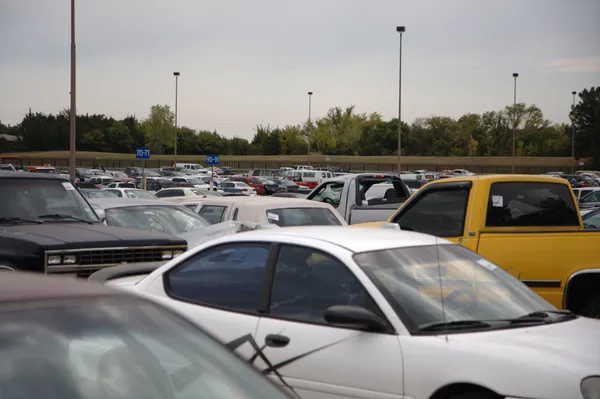
A new enforcement tool took effect in late 2025
Milwaukee expanded its ability to impound vehicles tied to reckless driving in November 2025, after a 2023 city ordinance became enforceable under updated state authority. The policy allows officers to impound “any vehicle used in the commission of reckless driving” at the time a citation is issued or an arrest is made. The authority applies regardless of whether the vehicle is registered and regardless of who owns it.
The ordinance also requires officers to make a reasonable effort to determine whether an impounded vehicle has been reported stolen. If a vehicle is confirmed stolen, the city is required to return it to the owner without fees.
What early implementation has looked like
In the first two months after the policy began, Milwaukee police impounded more than 30 vehicles, averaging roughly one seizure about every other day. The first impoundment under the new authority occurred Nov. 7, 2025, involving a 2010 Dodge Caliber.
City leaders have described the rationale as creating an immediate consequence that temporarily removes a vehicle from the road. The approach is designed to complement other efforts aimed at reducing traffic violence, including local and county safety initiatives and enforcement strategies.
How owners recover vehicles — and when vehicles can be disposed of
Under the ordinance and related towing rules, owners generally must resolve financial obligations before a vehicle is released. Those obligations can include unpaid fines or forfeitures owed by the owner and the costs associated with impoundment such as towing and storage. The city’s secure impound lot fees include a vehicle reclamation charge and daily storage charges.
The ordinance sets a 90-day window tied to the disposition of the reckless driving citation: if an impounded vehicle remains unclaimed for more than 90 days after that disposition, the city may dispose of it in accordance with state law. The rules also include an informal hearing process and limitations on disposal while challenges are pending.
Key provisions of Milwaukee’s reckless-driving impoundment framework
- Officers may impound vehicles used in reckless driving at the time of citation or arrest.
- Ownership does not limit impoundment authority; the vehicle can be seized even if the driver is not the owner.
- Officers must make a reasonable effort to identify stolen vehicles; confirmed stolen vehicles must be returned without fees.
- Release typically requires payment of outstanding fines/forfeitures owed by the owner plus towing and storage costs.
- Vehicles may be disposed of if unclaimed for more than 90 days after the reckless-driving case is disposed.
What the early numbers can — and cannot — show
The early volume of impoundments indicates the policy is being used, but the pace also suggests it is a targeted tool rather than a high-volume enforcement program. Whether impoundments translate into fewer injuries, fatalities, or repeat reckless-driving behavior will depend on longer-term data, including crash trends, repeat-offender rates, and case outcomes in court.
Milwaukee’s new authority is designed to remove a vehicle immediately after a reckless-driving incident, while preserving procedures for review and recovery.