Milwaukee weighs demolition of Miller High Life Theatre amid convention hotel proposal and historic protections
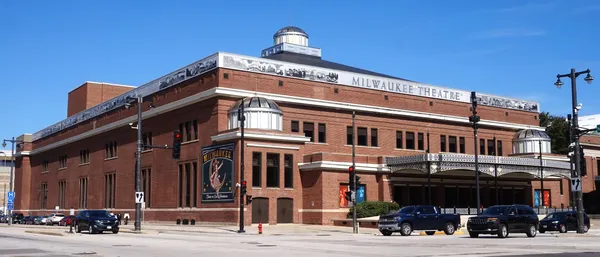
A century-old venue becomes the focus of competing redevelopment priorities
Milwaukee’s Miller High Life Theatre, a 4,086-seat venue at 500 W. Kilbourn Ave., has moved to the center of a public policy dispute over downtown redevelopment, cultural infrastructure, and the economics of convention business. The debate intensified after a highest-and-best-use analysis commissioned by the Wisconsin Center District (WCD) recommended a large convention headquarters hotel and identified the theater site as the preferred location.
The theater—originally built as the Milwaukee Auditorium and opened in 1909—was extensively renovated in the early 2000s and later renamed through a naming-rights agreement. It is owned and operated by the WCD, the state-created agency that also runs the Baird Center convention facility and the UW–Milwaukee Panther Arena.
What the WCD-commissioned study recommends
The January 2026 report examined multiple sites near the convention campus and recommended construction of a convention headquarters hotel with more than 650 rooms, conceptually connected to the Baird Center. The analysis argues Milwaukee is constrained by an insufficient supply of nearby rooms—particularly large blocks and what the report describes as hotel “quality”—and that the shortfall can limit the city’s ability to book major conventions.
In selecting among potential sites, the report ranked the Miller High Life Theatre parcel highly based on proximity and development feasibility. It also characterized the theater as comparatively underutilized versus other local performance venues and projected future capital needs for the building, framing replacement as a way to unlock convention-oriented development on a central parcel.
Historic designation changes the procedural path, not the underlying question
In late 2025, the Milwaukee Common Council granted permanent historic designation to both the Miller High Life Theatre and the UW–Milwaukee Panther Arena. The action followed a recommendation from the city’s Historic Preservation Commission and was advanced by Ald. Robert Bauman, a Common Council member who also sits on the WCD board.
The designation does not automatically prohibit demolition. It adds layers of review, including historic preservation scrutiny and Common Council involvement, affecting timelines, documentation requirements, and standards for exterior preservation or alteration.
Key issues now driving the decision-making
Convention competitiveness: whether additional headquarter-style hotel capacity near the Baird Center is necessary to reduce lost bookings and support long-term convention growth.
Cultural venue capacity: whether removing a 4,000-seat theater would create a gap in the region’s entertainment infrastructure and touring-market inventory.
Cost and financing: how a project of this scale would be funded and whether current market conditions support financing a convention headquarters hotel.
Governance and public process: what level of public input should precede decisions involving publicly controlled facilities and historically designated structures.
The next phase is expected to focus on committee review of the January 2026 findings, potential alternative sites, and the procedural requirements tied to historic designation.
The WCD has established a committee process to evaluate the study’s recommendations, and additional meetings are scheduled as stakeholders assess feasibility, alternatives, and the implications for Milwaukee’s convention strategy and live-event ecosystem.