Milwaukee South Side Water Main Break Near 26th and Grange Disrupts Service and Closes Roadway
Water service interruptions and a temporary street closure followed a rupture reported midday
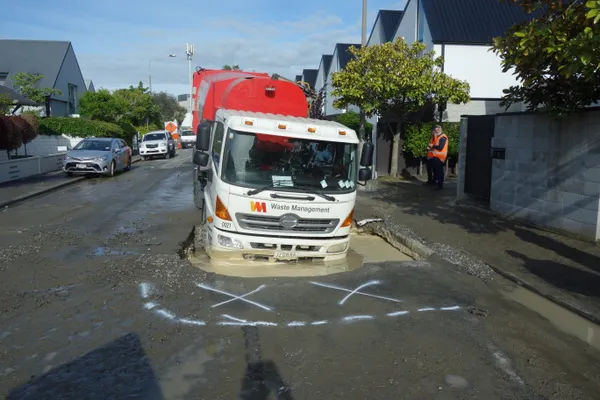
A water main break on Milwaukee’s south side disrupted service for nearby residents and forced a temporary road closure as crews worked to isolate the leak and plan repairs. The break was reported around 11:20 a.m. on Wednesday, Jan. 7, 2026, in the area of South 26th Street and West Grange Avenue. Crews arrived shortly after noon and found water pushing up through pavement, with pooling in the street and on adjacent sidewalks.
City officials closed West Grange Avenue between South 25th Street and South 27th Street to keep vehicles away from flooded and potentially unstable roadway conditions. A temporary water shutoff was planned for early Wednesday night to allow repair work to begin, with advance notice expected for affected customers. The outage was expected to impact roughly 20 residential properties in the immediate area.
Why winter is a high-risk period for breaks
Water main breaks occur year-round, but cold-season conditions can increase risk and complicate response. In winter, freeze-thaw cycles can shift soil and pavement, adding stress to buried pipes and to the joints that connect them. The result can be sudden ruptures that surface as street flooding, rapid pressure changes, or loss of service for a small area while valves are closed to isolate the damaged section.
In addition to service disruptions, breaks during freezing weather can create hazardous icing as water spreads and refreezes on pavement and sidewalks. That can extend impacts beyond the repair site by affecting traffic flow, pedestrian access and emergency response routes.
How repairs typically proceed and what residents may experience
Once a break is identified, crews work to locate the precise failure point, isolate the damaged segment by closing valves, and excavate to access the pipe. Depending on conditions, repairs may include installing a clamp, replacing a short segment of pipe, or rebuilding a joint connection. After a repair, the line is returned to service and the system is flushed as needed to clear air and sediment that can be stirred up during shutdown and restart.
Residents nearest a repair zone may notice reduced water pressure before service is restored. After water returns, temporary discoloration can occur if minerals or sediment are disturbed; running cold water for several minutes can help clear household lines. Any persistent issues—such as ongoing low pressure or cloudy water—should be reported for follow-up.
What is known, and what remains unclear
- The break occurred near South 26th Street and West Grange Avenue and was reported late morning on Jan. 7, 2026.
- West Grange Avenue was closed between South 25th Street and South 27th Street during the response.
- A temporary shutoff was expected to affect about 20 residential properties as repairs began that evening.
- The timeline for completing the repair had not been confirmed at the time of initial response.
For drivers and pedestrians, the immediate risks near a main break are standing water, hidden pavement damage, and ice formation when temperatures are near or below freezing.