Milwaukee Rescue Mission files lawsuit tied to New Berlin recovery center after land vote setback
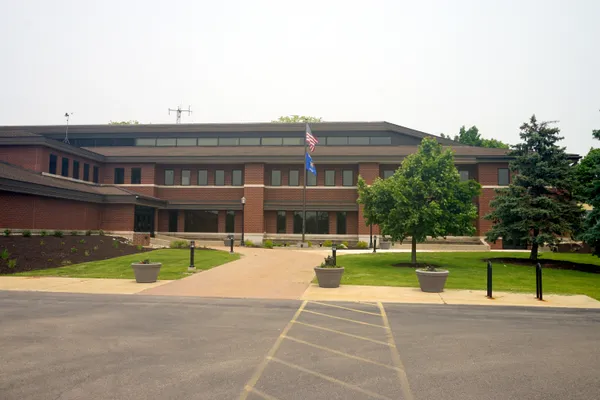
A disputed suburban expansion moves from the council chamber to the courts
The Milwaukee Rescue Mission has filed a lawsuit seeking to advance plans for a new residential addiction treatment campus in New Berlin, escalating a months-long local debate over land use, public safety, and the boundaries of municipal authority. The suit was filed Friday, March 6, 2026, as opposition groups continued efforts to block the project through local processes.
The proposal centers on a 57,000-square-foot facility near the Interstate 43 and Moorland Road area. Plans described publicly would house up to 120 men in a structured, six-month residential recovery program referred to as “New Journey,” with spiritual counseling as part of services. Project discussions have included staffing levels and around-the-clock supervision.
What city actions set the stage
In January 2026, the New Berlin Common Council voted 4–3 to deny a land consolidation request tied to the project, a procedural step needed for the development as presented. City officials emphasized at the time that the vote addressed land configuration rather than a direct approval or denial of the recovery program itself. The denial effectively paused the development pathway the mission had been pursuing.
The project had previously advanced through local review. Public reporting indicates the Plan Commission approved plans in December 2025, after which opponents pursued a grievance process.
Competing claims: impacts, taxes, and public safety
Opponents, including an organized citizens group, have argued the facility could increase demands on police, fire, and emergency medical services. Some residents have also raised concerns about municipal finances, including whether the project’s religious classification could affect property-tax revenue.
The Milwaukee Rescue Mission has disputed characterizations of the proposal as a homeless shelter and has challenged assertions that it would significantly increase public safety calls. Mission leadership has also said it is open to a payment-in-lieu-of-taxes arrangement, an approach sometimes used when property-tax exemptions are at issue.
- Proposed capacity: up to 120 residential participants.
- Program model: six-month, structured recovery with screening and rules.
- Facility scale discussed publicly: about 57,000 square feet.
Why the legal route matters
The lawsuit reflects a central tension in the dispute: how much discretion a municipality has over land use decisions when a project is presented as a religiously affiliated use. City documents quoted in prior coverage have stated that certain religious-institution classifications can limit the city’s ability to deny a use based on speculative fears, while still leaving room for review of technical and property-related requirements.
The court case now becomes the primary forum for determining whether New Berlin must take additional steps to allow the project to proceed under earlier approvals and applicable land-use rules.
What happens next
With the complaint filed on March 6, the dispute is likely to unfold on two tracks: litigation over the project’s legal status and continued local engagement over any revised development plan. The mission has publicly stated it had hoped to break ground in 2026 and open in 2027, timelines that may now depend on court rulings and any new municipal actions.