Milwaukee protests follow Minneapolis shooting death of Alex Pretti, Wisconsin-raised nurse, by federal agent
Milwaukee demonstrations connect local concerns to a widening dispute over federal immigration enforcement tactics
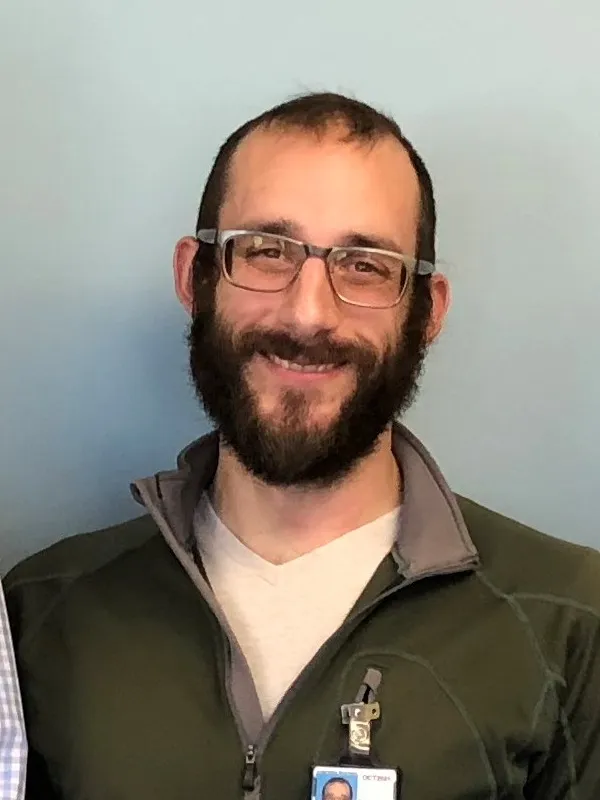
Protests took shape in Milwaukee on January 24, 2026, after a 37-year-old man with Wisconsin ties was shot and killed in Minneapolis during a confrontation involving federal immigration enforcement personnel. The death of Alex Pretti—an intensive care nurse and U.S. citizen—has become a flashpoint in a rapidly escalating debate over the scope of federal operations, the rules governing use of force, and the role of local oversight when federal agents engage with demonstrators.
Pretti was killed on the morning of January 24 in Minneapolis. Federal authorities said a Border Patrol agent shot him in self-defense after he approached agents with a handgun and resisted attempts to disarm him. Local officials in Minneapolis have publicly disputed key elements of that account. Multiple videos circulating from the scene show federal agents using pepper spray and pinning Pretti to the ground before shots were fired; in the footage, he appears to be holding a phone rather than a firearm at the moment force escalated.
Milwaukee’s response included a downtown rally and march and an additional evening gathering in the city’s Riverwest neighborhood. One group convened at Red Arrow Park and marched to the federal immigration office downtown. Organizers framed the event as both a reaction to Pretti’s death and a broader condemnation of aggressive immigration enforcement actions, particularly those involving heavily armed federal personnel.
Who Alex Pretti was and why the case resonated in Wisconsin
Pretti had Wisconsin roots: he graduated from Green Bay’s Preble High School and later attended the University of Minnesota, finishing his undergraduate degree in 2011. He worked as a nurse in Minneapolis. Minneapolis police have said he had no criminal record beyond traffic violations, and that he was a lawful gun owner. Minnesota law allows open carry with a valid permit, a detail that has become central to public scrutiny of whether the presence of a firearm—if present—was handled in line with appropriate escalation standards.
- Time and place: Minneapolis, morning of January 24, 2026
- Fatal encounter: shooting by a federal agent during a protest environment
- Core dispute: federal self-defense claim versus video-based questions about threat level and escalation
Official reactions and the unresolved investigative questions
Elected officials in Wisconsin and Minnesota issued statements condemning the killing and urging changes to federal operations. The incident also intensified calls for independent review and evidence preservation, as competing accounts of what happened in the seconds before the shooting have become central to determining whether the use of deadly force was justified.
Key questions remain: what commands were issued, whether Pretti was armed in a manner that posed an imminent threat, and how decision-making unfolded among multiple agents during the takedown.
Pretti’s death was not the first fatal shooting involving federal agents in Minneapolis this month, adding urgency to demands for clarity about training, oversight, and accountability. For Milwaukee protesters, the case has become a point of local connection to a national conflict: how far federal immigration enforcement can go in public spaces, and what safeguards exist when operations intersect with constitutionally protected protest activity.