Milwaukee Prosecutors Charge Man in Vandalism Case at Newly Renovated Church of the Gesu
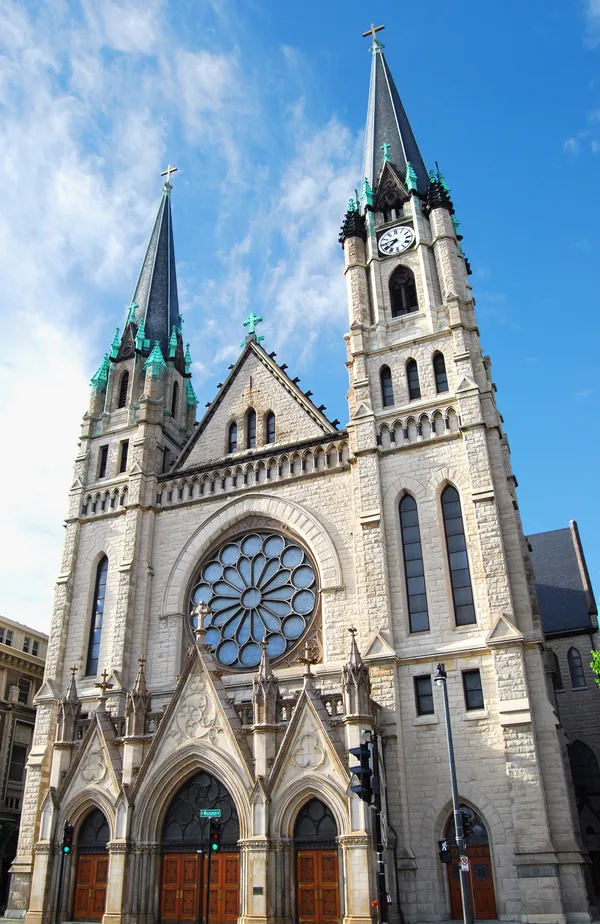
Charges follow reported damage at landmark church on Marquette University’s campus edge
A Milwaukee man has been criminally charged in connection with vandalism reported at the Church of the Gesu, a prominent Catholic parish and historic landmark at 1145 W. Wisconsin Ave. The case comes shortly after the church reopened its upper worship space following a major restoration and modernization project completed in late 2025.
Court records describe allegations of property damage at a building used primarily for religious worship. Wisconsin law contains specific felony-level provisions for damage to religious property, reflecting heightened penalties when a church or similar site is targeted.
A recently completed renovation raised visibility — and the stakes for repairs
The Church of the Gesu reopened its upper church in December 2025 after a renovation estimated at $10.1 million. The work included new pews and flooring, repairs and repainting, accessibility improvements, electrical rewiring, updated lighting, and safety upgrades such as fire detection and security improvements.
The building itself is widely recognized for its architecture and long civic footprint. The City of Milwaukee’s historic designation study describes the structure as a major example of nineteenth-century ecclesiastical Gothic Revival architecture, built in 1893–94 with an early-twentieth-century addition. The report also notes notable interior features, including extensive stained glass and historically significant religious artwork.
What the criminal process typically involves in felony vandalism cases
Felony property-damage cases generally move through initial appearance, a bail determination, and a sequence of hearings that can include a preliminary examination and arraignment. Prosecutors must establish that damage was intentional and that the accused acted without consent; charging decisions and ultimate outcomes can depend on factors such as the extent of damage, evidence of identity, and any alleged motive.
As the case proceeds, key issues are expected to include the documented scope of damage, the method of entry or access (if any), and whether surveillance footage, witness accounts, or other physical evidence supports the allegation.
Security and public access remain central concerns for historic religious spaces
Religious institutions that welcome visitors often face a difficult balance between openness and protection of irreplaceable historic materials. Renovation plans for the Church of the Gesu emphasized both preservation and practical updates, including security improvements intended to support public access and day-to-day operations.
- The church’s 2025 renovation included security upgrades alongside infrastructure work.
- The building is a designated historic structure with architectural elements that can be costly and time-consuming to restore if damaged.
- Vandalism investigations can involve coordination among local law enforcement, campus-area security partners, and church personnel responsible for safeguarding the site.
In criminal cases, charges are allegations, and defendants are presumed innocent unless and until proven guilty in court.
Additional hearings are expected to clarify the timeline of the reported incident, the nature of the alleged damage, and the next steps in the prosecution.