Milwaukee Police restrict most officers’ access to Flock license plate reader data after misuse case
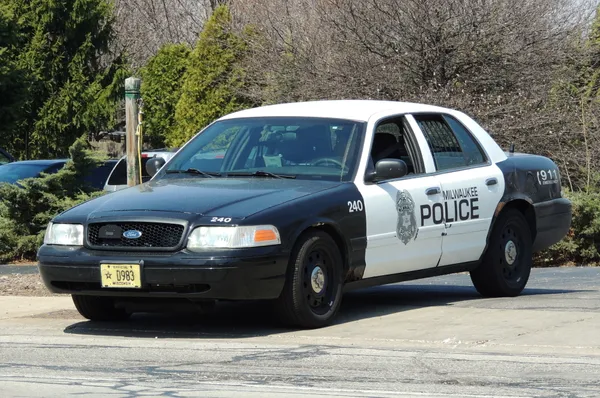
Access narrowed to select investigators as department reviews safeguards
The Milwaukee Police Department has curtailed access to its automated license plate reader (ALPR) database for most sworn personnel, limiting use to a smaller group of officers assigned to sensitive roles within the department’s Criminal Investigation Bureau. Under the revised access approach, ALPR searches are reserved for emergency situations and are no longer broadly available across patrol and other units.
The shift follows a criminal case involving a former Milwaukee police officer, Josue Ayala, who was charged with attempted misconduct in public office. Prosecutors allege Ayala used the department’s Flock Safety ALPR system 179 times to track the whereabouts of a person he was dating and that person’s former partner over a two-month period. Court records show Ayala resigned from the department shortly before his initial court appearance and entered a not-guilty plea; the case proceeded with a no-contact order covering the two alleged victims.
What ALPR systems capture and why access matters
Flock Safety’s ALPR technology captures images of passing vehicles and license plates and enables searches of historical detections, supporting investigations that rely on time-and-location patterns. The same capability also creates privacy and accountability risks when searches are conducted for reasons unrelated to official duties.
Department policy governing ALPR use outlines documentation and supervisory controls in certain circumstances, including requirements tied to analysis of stored, non-alert data. The policy also describes recordkeeping expectations around sharing ALPR data with other law enforcement agencies and treating stored ALPR data as criminal investigatory records for official use.
How the alleged misuse was detected
In the Ayala case, reporting tied to the criminal complaint indicates the suspected misuse came to light after one of the alleged victims used an online tool that shows whether a specific license plate has been queried in the Flock system. The resulting alert to authorities prompted investigative steps that ultimately led to charges.
Key questions raised by the access rollback
Scope of access: limiting access to a narrower set of users reduces the number of people able to conduct searches, but also concentrates responsibility among fewer employees.
Oversight and auditing: ALPR platforms typically maintain audit logs of searches; policy and practice determine how routinely those logs are reviewed and how quickly anomalies are investigated.
Operational impact: ALPR tools are often used to locate stolen vehicles, identify suspect vehicles after serious crimes, and corroborate timelines. Restricting access may change how quickly some units can run time-sensitive queries.
The department’s new limits place ALPR queries primarily within investigative channels, while the criminal case underscores the consequences of searches conducted for personal purposes.
What happens next
The access reduction does not eliminate ALPR use in Milwaukee, but it represents a significant tightening of internal controls while the city and department face renewed scrutiny of how powerful location-tracking tools are governed, monitored, and enforced through policy and discipline.