Milwaukee police officer says involuntary mental health commitments are harder as legal thresholds and systems evolve
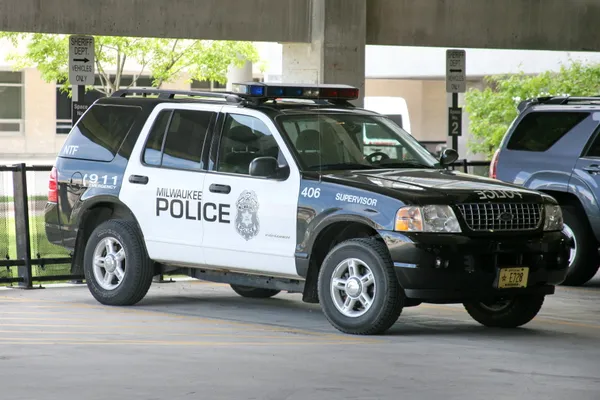
A long-standing tool for crisis response is under pressure
Milwaukee police officers are often dispatched to mental health crises where no crime has occurred, but where families or bystanders fear someone may be at risk. In those situations, officers may be asked to initiate an emergency detention that can lead to involuntary treatment under Wisconsin’s civil commitment law, commonly referred to as Chapter 51.
Officers and clinicians working in the crisis system describe a growing mismatch between the urgency of some calls and the legal and clinical thresholds required to detain someone against their will. Wisconsin’s statutes require the county to demonstrate that a person is very likely to harm themselves or someone else in order to obtain an involuntary commitment, reflecting constitutional protections and due-process requirements built into civil confinement law.
How civil commitment works in Wisconsin
In many cases, the first step toward involuntary treatment begins with law enforcement, because an emergency detention typically requires an officer’s involvement. After a detention, county attorneys review the facts and decide whether to pursue a court case for commitment. If a court orders commitment, state law generally requires periodic hearings, including a recommitment review after an initial period.
This structure is designed to balance public safety, medical necessity and individual liberties. It can also leave families and first responders frustrated when a person appears to be deteriorating but does not meet the statutory standard at the moment police encounter them.
Milwaukee County’s crisis system and shifting demand
Milwaukee County has been redesigning its adult mental health crisis response for years, including expanded community-based services and development of a dedicated Mental Health Emergency Center intended to streamline triage and psychiatric evaluation. The county’s crisis system is also increasingly built around de-escalation and therapeutic interventions, including security staff trained for crisis settings and clinical teams positioned to reduce unnecessary hospitalizations and jail bookings.
System data and planning reports have highlighted how heavily Milwaukee County has relied on emergency detentions for psychiatric admissions over time, while also noting that Wisconsin’s emergency detention standards and time limits differ from many other states, complicating comparisons and operational planning.
Why officers say the process feels “harder”
Officers responding to mental health calls operate within narrow legal boundaries. When behavior is alarming but does not clearly establish imminent danger, an emergency detention can be difficult to justify, particularly if the person is not actively violent and refuses evaluation. The burden of documenting specific, articulable facts that satisfy the legal standard can be high, and the consequences of an improper detention can include legal challenges and erosion of public trust.
At the same time, civil rights advocates and mental health attorneys have warned that loosening commitment standards can widen the use of forced treatment beyond the most acute cases, increasing the risk of unnecessary confinement and repeated recommitments.
What’s next: policy debates and operational adjustments
Milwaukee’s debate over involuntary commitment is unfolding alongside broader efforts to expand diversion and treatment options outside jail, strengthen mobile crisis response, and reduce avoidable law-enforcement time spent waiting during clinical handoffs. Policymakers face competing realities: persistent public concern about untreated severe mental illness, and enduring legal requirements that restrict when the state can compel treatment.
- Involuntary commitment remains available but is constrained by statutory and constitutional standards.
- Law enforcement continues to play a central role in initiating emergency detentions.
- Milwaukee County’s crisis-system redesign aims to improve access and reduce criminalization, but does not change the legal threshold for commitment.
If you or someone you know is experiencing a mental health crisis, help is available through the 988 Suicide & Crisis Lifeline in the United States.