Milwaukee officials expand public briefings and local policy plans amid possible increase in ICE activity
Milwaukee’s preparations focus on public information, local protocols, and oversight questions
Milwaukee officials are continuing a coordinated effort to prepare residents and city services for the possibility of increased federal immigration enforcement activity in the city, a scenario that has fueled anxiety and misinformation since January. The preparation has centered on public-facing “know your rights” education, clarity about what local law enforcement will and will not do, and discussions about how the city should respond if federal activity intensifies near schools, workplaces, or public spaces.
A key development this week was a bilingual community meeting on Milwaukee’s South Side, staged as an information and resource session for residents. The gathering, titled “Safety in Numbers: Protecting Our Historically Immigrant South Side,” was scheduled for Wednesday, Feb. 25, 2026, at Alverno College’s Sister Joel Read Conference Center. Organizers indicated that translation and Spanish-language materials would be available, and that participants would include city and county public-safety leaders as well as community organizations that provide immigrant-rights education.
Local ordinances proposed as federal enforcement concerns grow
In parallel, members of the Milwaukee Common Council have been advancing a package of proposals framed as steps to set local standards for interactions involving federal immigration agents in Milwaukee. The proposals under discussion include requiring federal agents to be unmasked when interacting with the public in the city and seeking to prevent immigration-enforcement actions from being staged on certain local public properties, such as parks and libraries. Any such measures would require formal approval by the Common Council and subsequent action by the mayor.
The policy debate reflects two simultaneous realities: federal immigration enforcement is largely outside municipal control, and local governments still bear responsibility for public safety impacts, including crowd management, traffic disruption, and community trust in emergency and police services.
What local law enforcement says about its role
Public communication from local institutions has emphasized that municipal agencies are not responsible for enforcing civil immigration law. In Milwaukee County, a public resource hub states that constitutional protections apply regardless of immigration status and provides practical guidance for residents on responding to encounters at home, in public, or at work. The county resource also notes legal limits on the county’s ability to impede federal immigration actions while encouraging residents to rely on verified information rather than circulating unconfirmed reports.
Oversight and investigations: unanswered operational questions
Another issue emerging alongside preparedness efforts is how any critical incident involving a federal agent would be investigated in Wisconsin. Milwaukee-area officer-involved death investigations are typically handled through a multi-agency cooperative process, but the structure and bylaws of local teams raise questions about jurisdiction and independence if the involved personnel are federal rather than local officers. State-level investigators have indicated they are prepared to conduct independent investigations if needed, but the practical ability to secure evidence can depend on federal cooperation.
- Community meetings have been used to distribute verified guidance and reduce rumor-driven panic.
- Proposed city legislation would set expectations for public-facing federal enforcement activity in Milwaukee.
- Officials are also confronting complex questions about accountability and investigative jurisdiction in high-stakes incidents.
Milwaukee’s approach has combined resident education, interagency planning, and legislative proposals—while acknowledging the city’s limited authority over federal operations.
City and county leaders have indicated that additional updates and resources may be shared as conditions change, particularly if credible indicators of increased federal activity emerge.
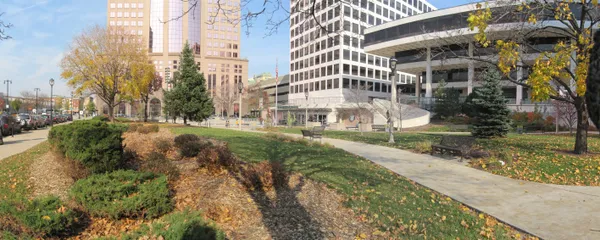
Public invited to review preliminary Red Arrow Park redesign alternatives at City Hall Rotunda open house

Wisconsin approves state historic marker for Milwaukee’s former This Is It! LGBTQ bar building
Milwaukee officials outline changes to Brady list process, raising questions about notice and oversight