Milwaukee Faces Deicing Salt Constraints as Wisconsin DNR Urges Reduced Use During High Winter Demand
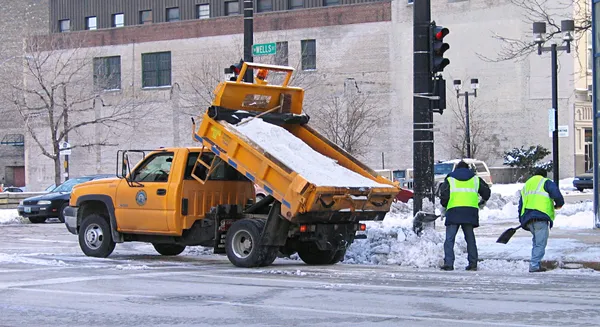
Road-salt pressure collides with environmental limits
Milwaukee-area winter maintenance is entering a period of tighter deicing-salt availability as demand rises during repeated snow-and-ice events, prompting renewed calls from state environmental officials to curb salt use. The Wisconsin Department of Natural Resources has urged residents and property managers to use less salt and apply it more effectively, warning that excess salt ultimately washes into storm drains and local waterways where it contributes to higher chloride levels.
The DNR’s guidance emphasizes that salt does not disappear after application. As snow and ice melt, chlorides can move into rivers, lakes, streams and wetlands. The agency has tied winter salting to long-term water-quality concerns, infrastructure corrosion and pet exposure risks.
What the state is asking residents to do differently
The DNR’s recommended approach centers on matching application to conditions, with a focus on removing snow mechanically first and avoiding routine “just in case” salting. Among the practical tips promoted by the agency and echoed in local public information materials:
- Shovel or scrape early: clearing surfaces before snow compacts or turns to ice reduces the need for salt and improves effectiveness.
- Scatter, don’t pile: salt is intended to be applied with space between grains; a coffee-mug-sized amount can treat a typical 20-foot driveway or about ten sidewalk squares.
- Switch tactics in extreme cold: when pavement temperatures drop below about 15 degrees, standard salt becomes far less effective; sand can improve traction, and other deicers may be more suitable.
- Sweep up leftovers: after melting, collecting excess crystals can keep salt out of storm drains and reduce repeat purchases.
Why supply is tightening and what it means for operations
Deicing constraints are being reported in multiple U.S. regions during active winters, with municipal public works departments adjusting treatment plans and prioritizing main routes. Industry and public-works accounts describe a pattern in which frequent, smaller winter events drive heavy salt use because crews must repeatedly prevent refreezing even when snowfall totals are modest.
At the state level, Wisconsin transportation policy also recognizes the seasonal urgency of moving salt: the state’s frozen-road declaration is designed to allow heavier loads for shipments of winter maintenance materials when cold conditions reduce pavement damage risk.
Balancing safety, cost, and water protection
Salt reduction efforts are not limited to households. State programs promote training and operational changes that can reduce usage without eliminating treatment, including brine and pre-wetting methods used in road maintenance. The DNR has also highlighted non-road contributors to chloride, including water softeners, as part of broader efforts to reduce chloride loads at the source.
Key takeaway for Milwaukee residents: winter safety remains the priority, but effective shoveling, measured application, and temperature-appropriate alternatives can reduce both shortages and long-term chloride buildup.
Milwaukee’s winter messaging continues to pair safer-travel reminders with calls for careful deicer use, reflecting a season in which demand, logistics and water-quality impacts are converging at the curb and the driveway.