Milwaukee Emergency Warming Shelter Expands Cold-Weather Response as Partners Seek Food Donations for Guests
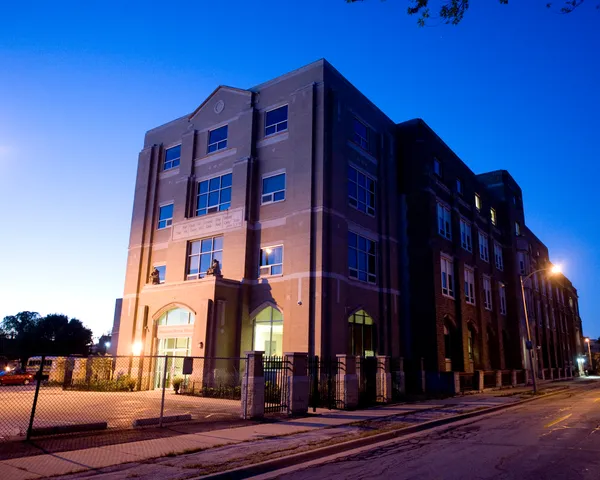
Emergency shelter opened during late-January cold snap
Milwaukee’s cold-weather response expanded in late January after dangerously low wind chills prompted the opening of an additional emergency warming shelter. The site operated at the Washington Park Senior Center, 4420 W. Vliet St., and was scheduled to remain open through noon on Saturday, Jan. 24, 2026.
The shelter expansion came as an extreme cold warning covered Southeast Wisconsin from midnight Thursday, Jan. 22, through early afternoon Friday, Jan. 23, followed by an advisory through midday Saturday, Jan. 24. Wind chills were forecast to reach levels associated with rapid onset of frostbite and hypothermia, increasing the need for indoor refuge for people without reliable heat or stable housing.
How the city’s cold-weather network works
The emergency warming shelter is part of a coordinated effort involving public health and emergency management agencies alongside community organizations that operate additional warming locations for single adults, families and others seeking a safe indoor space. Residents who need shelter placement, transportation support or other cold-weather assistance can use the region’s 2-1-1 resource line, which operates around the clock.
During the cold event, some public operations were affected. City and county buildings remained open, while select outdoor and non-emergency services were limited because of weather conditions. Officials also urged residents to limit time outdoors and check on neighbors, particularly older adults and people with medical vulnerabilities.
Food donations become a pressure point for warming shelters
As warming locations extend hours and take in additional guests during severe cold, meal service and snack supplies can become a fast-moving operational need. Community outreach groups that provide meals and basic necessities reported ongoing demand for ready-to-serve food and other essentials during winter operations, particularly when overnight and daytime warming options expand at short notice.
Local outreach efforts serving people experiencing homelessness have tracked tens of thousands of meals served over the past year, reflecting sustained need beyond single weather events. At the same time, regional shelter planners have warned that winter warming sites often operate near capacity, with added costs tied to food, linens and staffing when the number of guests rises.
What’s typically needed during extreme cold periods
- Individually packaged, shelf-stable foods suitable for quick distribution
- Ready-to-eat items that do not require cooking equipment
- Bottled water and beverages appropriate for cold exposure recovery
- Disposable service supplies needed for high-volume meal periods
Warming shelters are designed to reduce immediate risk during extreme cold by providing a safe indoor environment, basic services and connections to additional resources.
The emergency warming shelter at Washington Park Senior Center was one element of a broader winter response that can shift quickly with forecast changes. When severe cold returns, shelter operators and outreach teams typically face simultaneous surges in shelter demand and resource consumption, making food donations and basic supplies a practical support for keeping guests safe indoors.