Milwaukee County’s 2025 Red Kettle Campaign nears its $3.1 million goal as Dec. 24 deadline approaches
Holiday fundraising drive enters final stretch
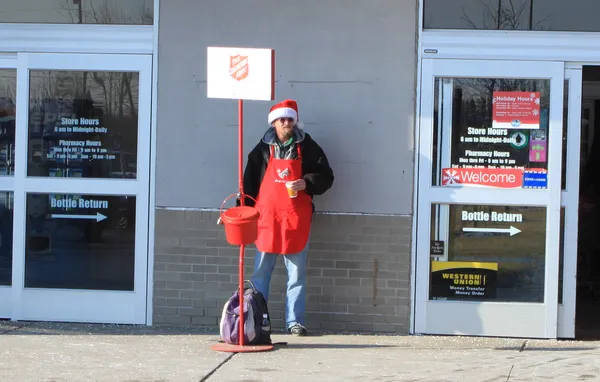
The Salvation Army of Milwaukee County’s 2025 Red Kettle Campaign is approaching its season endpoint, with collections continuing through Dec. 24. The annual effort—built around volunteers stationed at retail entrances with the organization’s signature red kettles—has set a countywide fundraising target of $3.1 million for the 2025 season.
The campaign began in Milwaukee County on Nov. 14, when kettles were placed at more than 50 locations across the county. Many sites also offer cashless giving options designed to accommodate donors who do not carry cash, including tap-to-give methods.
What the fundraising supports in Milwaukee County
Funds raised through the Red Kettle Campaign are used to support year-round services and direct assistance provided locally. The Salvation Army has said donations help cover essential items and aid for families and individuals, including winter coats, toys and school supplies, as well as housing-related assistance for people experiencing homelessness.
The organization also links the campaign to demand seen at local food pantries in Milwaukee County, where the Salvation Army partners with multiple pantry operators. The Red Kettle season typically functions as one of the organization’s largest annual fundraising sources and helps finance local assistance into the following year.
- Campaign period in Milwaukee County: Nov. 14 to Dec. 24
- Milwaukee County fundraising goal for 2025: $3.1 million
- Reported 2024 result: nearly $3.1 million raised
- Estimated footprint: more than 50 kettle locations countywide
Volunteer staffing and the visibility challenge
As the deadline nears, the campaign’s results depend not only on donation levels but also on staffing at kettle sites. In communities across Wisconsin, local Salvation Army units have reported that unfilled bell-ringing shifts can reduce collections by leaving kettles unattended during high-traffic hours. Some units have also described weather and seasonal scheduling as factors that can affect volunteer turnout and daily totals.
In recent seasons, Salvation Army offices across the state have emphasized that community participation—both donations and volunteer hours—directly determines how fully local assistance budgets can meet demand in the year ahead.
How donations are being collected
Alongside traditional cash donations, the campaign’s expanded cashless options are intended to reduce barriers for donors. In addition to in-person giving at kettles, the Salvation Army also accepts contributions through other channels during the season, depending on local setup.
With the 2025 campaign nearing its conclusion, organizers are urging residents who plan to give to do so before the Dec. 24 cutoff, when kettle sites typically come down and seasonal fundraising transitions back to non-holiday operations.