Milwaukee Common Council approves Brady and Farwell historic district despite investor objections on East Side
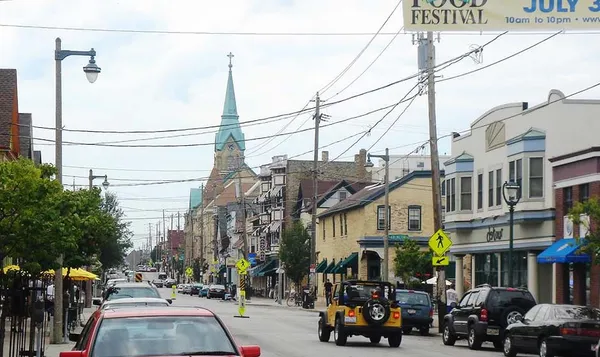
A four-property corner near Brady Street gains local historic protections
The Milwaukee Common Council voted on Feb. 10, 2026, to grant permanent historic designation to the Brady and Farwell Historic District, a four-property cluster at the eastern corner of East Brady Street and North Farwell Avenue. The action followed a recommendation from the Milwaukee Historic Preservation Commission (HPC), which advanced the district after a contested public hearing on Dec. 8, 2025.
The designation applies to a small group of late-19th-century residences representing multiple architectural styles and tied to prominent designers in Milwaukee’s building history. The district sits in a highly active East Side area where preservation debates often intersect with property investment, redevelopment potential and neighborhood identity.
What buildings are included and why they were nominated
City materials describe the district as four residential properties on the Brady/Farwell corner that developed primarily between the 1870s and 1890s. The package highlighted several structures and their associations:
- An Italianate residence dating to 1874 and associated with architect Henry C. Koch; the building was moved to the site in 1892.
- Two matching High Victorian Gothic frame houses built in 1878 and designed by architect James Douglas.
- A Queen Anne cream-city-brick residence built in 1897 and designed by architect Carl P. Ringer; records indicate a later single-story commercial addition partially obscures its frontage.
The Common Council file advancing the designation listed multiple local criteria the district was found to satisfy, including association with people significant to the city’s development; embodiment of distinguishing architectural characteristics; identification as the work of notable architects or builders; and a unique location that functions as an established neighborhood visual feature.
Investor objections and the city’s decision pathway
The owner, identified in city records as a related business entity for the four properties, opposed the designation. During the Dec. 8 HPC hearing, the owner’s representative argued the nomination followed the purchase and would impose added constraints and long-term costs, while also disputing whether the properties met the criteria used for designation.
After the HPC voted unanimously on Dec. 8, 2025, the proposal advanced to the Common Council’s Zoning, Neighborhoods & Development Committee. The committee initially held the item on Jan. 13, 2026, then voted 3-1 on Feb. 3 to recommend adoption following additional testimony from supporters and opponents. The full Common Council adopted the designation on Feb. 10, 2026.
What historic designation changes for property work
Under Milwaukee’s local preservation framework, exterior alterations, certain repairs and other visible changes at locally designated properties or within locally designated historic districts generally require a Certificate of Appropriateness before work proceeds. The city’s process also provides for a study report, formal notice to owners and nearby property owners, and a public hearing prior to a final recommendation and council vote.
The Brady and Farwell decision ends a months-long review and places the corner under the city’s local historic oversight for exterior changes governed by commission review.
The district’s approval adds another locally regulated preservation area on Milwaukee’s East Side, where city leaders continue to weigh building conservation against property-owner concerns and future redevelopment pressures.