Milwaukee Brewers Fund New ‘Hot Box’ Equipment to Expand Hot-Mix Pothole Repairs Citywide
A sports brand enters a public-works conversation
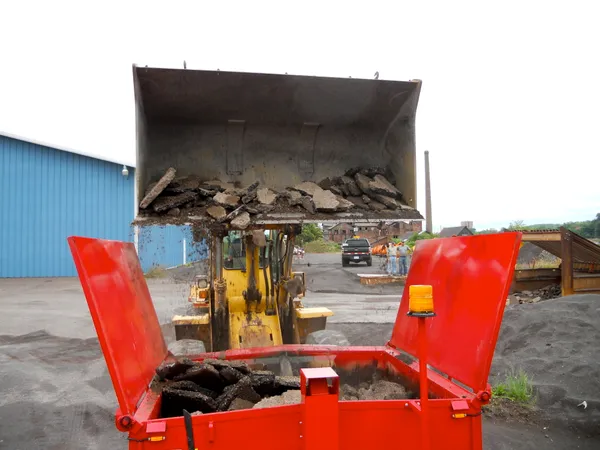
Milwaukee’s recurring winter damage to streets is prompting an unusual, but concrete, infrastructure partnership: the Milwaukee Brewers are providing $27,500 to help the city upgrade how it patches potholes. City officials have moved to accept the donation, directing the funds to purchase an asphalt “hot box,” a piece of equipment designed to keep asphalt at working temperatures for higher-quality repairs.
What the city approved and what the money buys
The donation is earmarked for the acquisition of a hot box and related materials. City engineering staff described the core purpose as operational: extending the window in which crews can apply hot-mix asphalt, rather than relying as heavily on cold-mix patching during periods when plants are closed or temperatures are less favorable.
In addition to the equipment purchase, the agreement includes visible branding elements. Brewers decals are to be affixed to the equipment, and the city may stencil Brewers logos on repaired patches, with a maximum of 75 stencils referenced during committee discussion.
Why a “hot box” matters in pothole season
Potholes typically worsen after repeated freeze-thaw cycles, when moisture penetrates pavement, freezes, expands, and undermines the surface under traffic loads. Municipal repair strategies often balance speed and durability: cold mix can be placed quickly in winter conditions but is commonly treated as a shorter-term fix, while hot mix generally provides stronger bonding and longer-lasting performance when conditions allow.
A hot box is intended to bridge some of that gap by reheating or maintaining asphalt at usable temperatures, improving consistency and allowing crews to make more durable repairs without as many return trips to re-patch the same locations.
How the program will be seen on the street
The city’s plan includes marking select completed repairs with Brewers stencils. The branding is not tied to street selection criteria in the materials discussed publicly; instead, the emphasis has been on the equipment’s ability to improve repair quality and efficiency.
The initiative’s slogan borrows a well-known home-run call associated with Brewers broadcasts: “Get up, get up, get outta here, gone.”
Operational questions that remain
Deployment: how frequently crews will be able to use the hot box across neighborhoods, and whether it will be assigned to specific teams or routes.
Measurement: what metrics will be used to evaluate whether hot-box repairs reduce repeat patching, complaints, or follow-up work.
Scope: whether the branded stencil element will be limited to a pilot phase or continue as a standing practice.
For residents, the immediate takeaway is practical: the city is preparing to expand the use of hot-mix asphalt for pothole repair, supported by a targeted private donation, at a time when street conditions typically deteriorate and repair demands rise.