Iran war fertilizer shock hits Wisconsin farms as DNR cuts Lake Michigan whitefish quotas, Milwaukee hosts gun summit
Rising input costs, shrinking catches and community safety efforts converge across Wisconsin
Wisconsin farmers, Great Lakes commercial fishers and Milwaukee community leaders are confronting separate pressures that share a common theme: decisions made far from the state are reshaping local economics and public life.
Agriculture faces new price volatility tied to global fertilizer and energy markets
As military conflict involving Iran spreads across the Middle East, agricultural groups and market analysts have flagged heightened risk to fertilizer supply chains and prices. The Persian Gulf region is central to global production and export of key nitrogen fertilizers, and any disruption in shipping lanes or energy supplies can quickly translate into higher costs for farmers.
For Wisconsin producers preparing for spring fieldwork, fertilizer is among the most significant line items. When prices rise abruptly, growers may face tighter operating margins, adjustments in crop plans or delayed purchases. The impact can also extend to consumers over time as higher input costs move through the supply chain.
- Fertilizer costs are closely tied to natural gas markets, a key feedstock for nitrogen fertilizer.
- Shipping constraints and export changes can amplify price moves, even when domestic demand is stable.
- Farm groups have urged federal attention to supply reliability and farm financial exposure during the 2026 planting season.
Lake Michigan whitefish quotas reduced for 2026 as population models show long decline
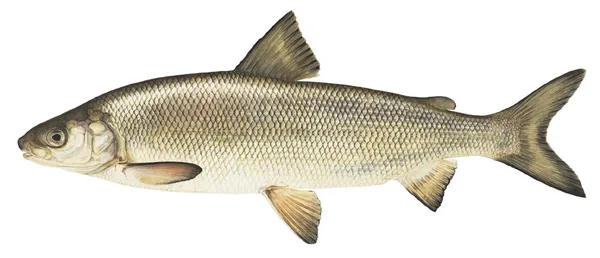
On the water, regulators have moved to reduce commercial harvest levels for lake whitefish in Wisconsin’s Lake Michigan waters for the 2026 season. The reduction follows stock assessment modeling that indicates a steep long-term drop in abundance and weak recruitment, with no strong year class documented since the early 2000s.
Whitefish is a cornerstone of the Lake Michigan commercial fishery, supporting dockside revenue as well as processing and restaurant supply chains. The decline has been linked primarily to ecosystem change, including invasive zebra and quagga mussels that alter the food web and reduce prey available to young fish. Commercial operators have increasingly leaned on diversification—processing other species and shifting effort—to maintain viable businesses under lower quotas.
Regulators have emphasized that the quota changes are intended to align harvest levels with current stock conditions and sustain the fishery over the long term.
Milwaukee event brings licensed gun owners into violence-prevention conversation
In Milwaukee, a separate effort has focused on public safety through engagement rather than enforcement. A gun owners’ safety summit held March 7, 2026, at the Prince Hall Masonic Temple convened legal gun owners, community leaders and local organizations for a public discussion about responsible ownership, safe storage and strategies to reduce gun violence.
The program included a moderated panel and an information fair with local groups providing safety resources. Organizers framed the event as an attempt to broaden local dialogue by including gun owners—some of whom described concerns about being treated differently when exercising legal rights—alongside residents impacted by violence. Attendees included community members and elected officials, with opportunities for questions and discussion.
Together, the three developments illustrate how Wisconsin’s farm economy, fisheries management and urban safety initiatives are responding to rapidly changing conditions—through market adaptation, regulatory restraint and community-based engagement.