How Milwaukee Public Museum Plans to Repurpose Exhibit Props and Fixtures Before Any Public Sale
Repurposing first, public sale later
As the Milwaukee Public Museum prepares to leave its longtime home on West Wells Street for a new facility planned to open in early 2027, thousands of non-collection items inside the current building are being evaluated for reuse before any remaining pieces are offered to the public in a future sale.
Milwaukee County owns the museum’s collections—more than 4 million objects and specimens—while the museum and the county divide ownership of many non-collection elements depending on whether they are permanently attached to the building or are movable props and equipment. Museum officials have repeatedly drawn a bright line between accessioned collections, which are not slated for sale, and non-collection property such as exhibit props, furniture, and certain fixtures that may not transfer to the new site.
Five practical pathways for reuse before anything reaches the public
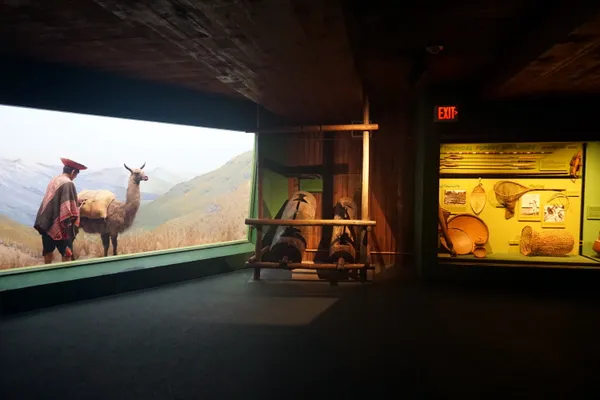
Incorporation into new exhibits. Some current exhibit components are expected to be repurposed and reimagined for the new museum, though museum planners have said decisions on which pieces will reappear are still being finalized.
Reuse by Milwaukee County departments. County agencies are positioned to receive an initial opportunity to claim usable non-collection items. Planning materials describe walkthroughs in 2026 designed to let eligible groups identify and tag items that can be redirected into public service use.
Transfer to peer institutions. After county departments, additional museums and cultural organizations may be considered for items that can serve educational or exhibit purposes elsewhere, particularly where objects are durable, safe, and practical to reinstall.
Support for nonprofits and schools. Educational organizations and nonprofits may be eligible to receive items that can be adapted for classroom demonstrations, hands-on learning, community programming, or display fabrication.
Use by exhibit and production vendors. Exhibit fabrication companies and related contractors can sometimes redeploy specialized materials—such as display case components, hardware, and shop equipment—especially when items would otherwise be discarded.
Timing: 2026 walkthroughs, 2027 transition
Museum staff began a multi-year packing effort in 2024, using archival methods and barcoded inventory procedures for collection objects. That work is separate from the disposition of non-collection items, which is expected to follow a phased process. The museum has said a more detailed timeline for handling non-collection property and fixtures would be presented to county leaders in the first quarter of 2026.
The museum has said the goal is to find new homes for items not moving to the new building, ranging from exhibit props to office furniture, before any public sale occurs.
What the public can expect
Public access to surplus items is expected to come late in the process. Planning documents and public communications have described a public sale for remaining museum-owned, non-collection property in the fourth quarter of 2027, after the museum’s move. Items that cannot be repurposed or transferred through earlier phases would be handled through final disposal as the current building is cleared.