Former Milwaukee police officer receives federal prison sentence in corruption case tied to street-gang assistance
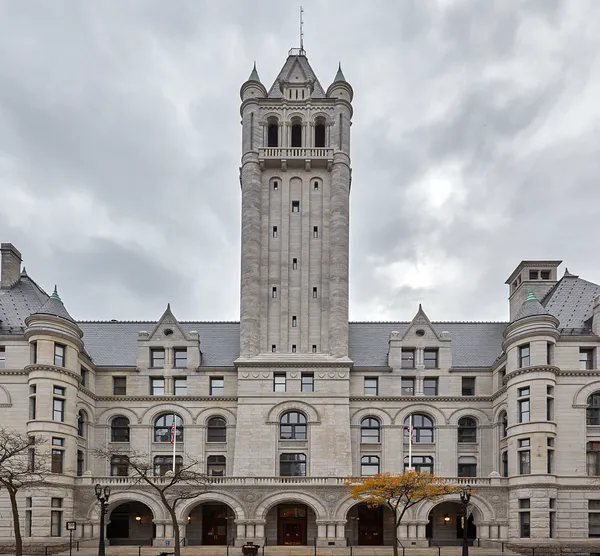
Sentencing marks latest federal outcome involving former MPD officer accused of aiding criminal activity
A former Milwaukee Police Department officer has been sentenced to federal prison after a corruption case that centered on allegations he used his position to assist criminal activity and mislead investigators. The sentencing closes the criminal case at the trial-court level and imposes a term of incarceration followed by supervised release.
The defendant, identified in federal court records as Juwon Madlock, previously served as an officer assigned to Milwaukee Police District 6. The case alleged he provided assistance to a Milwaukee street gang known as the Burleigh Zoo Family and, while still a sworn officer, engaged in conduct that included supplying ammunition to a felon, possessing an automatic weapon, helping conceal stolen vehicles, and lying during a federal investigation.
What the case alleged, and how it reached sentencing
The case began with a federal criminal complaint and subsequent proceedings in U.S. District Court in Milwaukee. Madlock resigned from the police department at the time of his arrest in March 2025, after nearly a decade of service.
In the months that followed, the case moved toward a negotiated resolution. A plea agreement later outlined sentencing positions that attorneys planned to ask the court to consider, including an anticipated prison recommendation from each side within a defined range. The sentencing hearing ultimately resulted in a prison term and a period of supervision following release.
- Defendant: Juwon Madlock, former Milwaukee police officer
- Core allegations: misuse of law-enforcement access and participation in criminal conduct while sworn
- Outcome: federal prison sentence plus supervised release
How judges typically weigh “public trust” in corruption cases
In public corruption matters involving law enforcement, federal courts routinely examine not only the underlying offense conduct but also the breach of public trust that accompanies crimes committed by sworn officers. Sentencing hearings in such cases often focus on deterrence, the risk of harm created by the misconduct, and the need to reinforce institutional integrity—alongside individualized factors such as criminal history and acceptance of responsibility.
Federal sentencing in public corruption cases generally turns on offense severity, the defendant’s role and intent, and the impact on community trust and safety.
What happens next
After sentencing in federal court, defendants are typically designated to a facility within the federal Bureau of Prisons system. The judgment also sets conditions for supervised release, which can include restrictions on firearms, association with known felons, and compliance monitoring after incarceration.
Any appeal would proceed on the federal appellate track and generally focuses on legal issues such as sentencing procedure, guideline calculations, or the validity of plea-related rulings.